Tax for delivery riders: Self Assessment made simple
Registering, expenses, deadlines and what platforms tell HMRC.
Do delivery riders have to pay tax in the UK?
Yes. Delivery riders are self-employed, so the platforms do not deduct tax. If your delivery income is more than £1,000 in a tax year (6 April to 5 April) you must register for Self Assessment with HMRC, file a tax return online by 31 January after the end of the tax year and pay any tax due by the same date. Income tax and Class 4 National Insurance are due only on profit above your personal allowance (£12,570).
You pay tax on profit, not on what the app pays you. Allowable costs such as bike rental, insurance, charging, repairs, your delivery bag and the business share of your phone reduce the bill, so keep every receipt and statement. Since 2024 platforms report riders’ earnings directly to HMRC.
Register on time
Register as self-employed on gov.uk by 5 October after the end of the tax year in which you started. You will get a Unique Taxpayer Reference (UTR) by post. If you have a full-time job and deliver on your days off, you still need to register once your delivery income passes £1,000 a year; your job’s tax stays with PAYE.
Expenses: actual costs or mileage
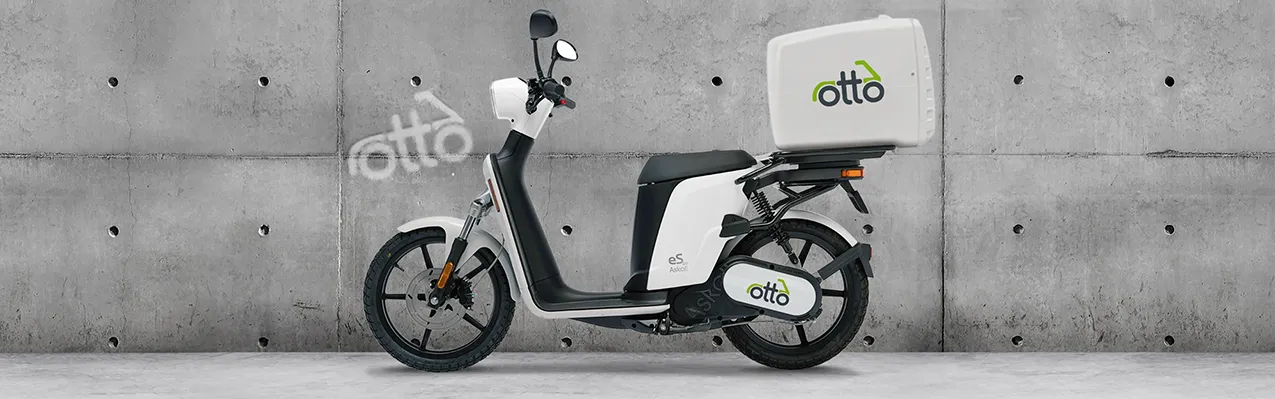
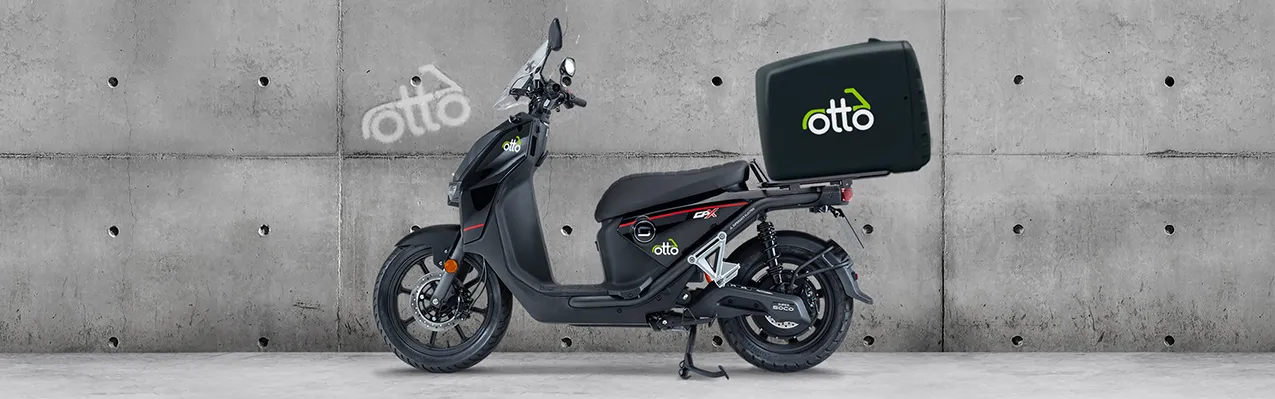
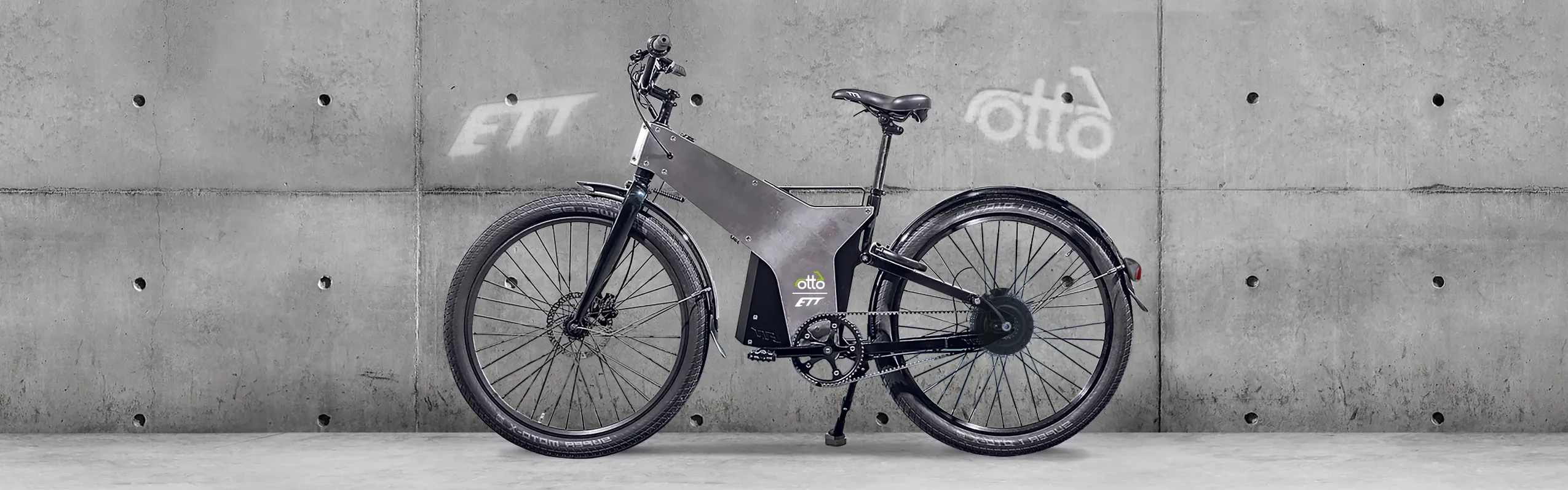
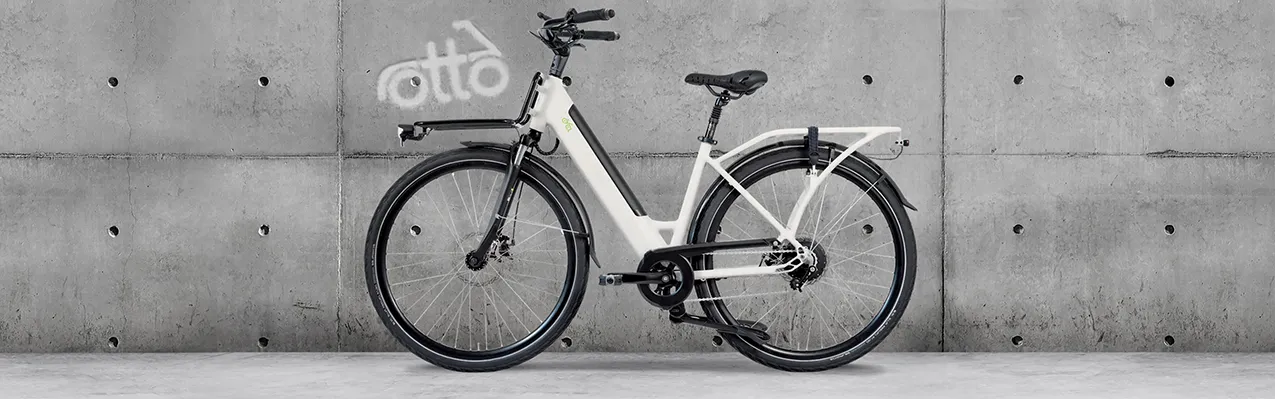
You can claim the actual costs of your vehicle (rental, insurance, charging or fuel, repairs, servicing) or, on a moped or motorbike, HMRC’s simplified mileage rate of 24p a mile (cars: 45p for the first 10,000 miles). Simplified mileage does not cover bicycles or e-bikes, so cyclists claim actual costs. You can’t mix the two methods for the same vehicle. Riders who rent usually find actual costs simpler and higher.
- Download weekly statements from each app and save them in one folder
- Keep rental invoices, insurance and charging costs
- Claim the delivery share of your phone and data plan
- Bags, phone mount, waterproofs and helmet count as business kit
How much to put aside
On profit above £12,570 you pay 20% income tax and 6% Class 4 National Insurance up to £50,270 (2025/26 rates). A simple habit: move 20–25% of each week’s profit to a separate account so the January bill is never a surprise. If your bill is over £1,000 HMRC also asks for payments on account towards the next year.
Expenses at half of turnover are not unusual for riders who rent a vehicle, but they must be real and documented. Riders on the forums who guessed their numbers were the ones who had problems.
Making Tax Digital
From April 2026 self-employed people with income over £50,000 must keep digital records and send quarterly updates to HMRC; the threshold drops to £30,000 from April 2027. Most riders are below these levels, but a simple app or spreadsheet now makes the change painless later.
Quick answers
Can I claim my Otto rental as an expense?
What happens if I don’t declare my delivery income?
When is the tax return deadline?
General information for riders, not legal or tax advice. Rules change: check gov.uk and your platform’s rider pages before you rely on a detail.